Lemon balm side effects and interactions can sneak up on you, so I like to check the basics before sipping that calming tea or popping a capsule. Then we will flag drowsiness, tummy trouble, and rash risks, and also highlight thyroid meds, sedatives, alcohol, and glaucoma cautions, plus common dose ranges.

Table of Contents
Lemon balm side effects and interactions: quick safety summary
Lemon balm side effects and interactions usually stay mild, but they still matter if you drive, take daily meds, or manage eye or thyroid issues. First, expect possible drowsiness, nausea, or headaches, especially at higher doses. Also, some people notice more appetite or less alertness after a single 900 mg dose, so timing counts. Meanwhile, if you landed here from drink ideas like the lemon balm recipe for weight loss, or you want a research-based take, start with what the studies show.
Does lemon balm have any side effects
Yes, lemon balm can cause mild side effects, and they often show up as sleepiness, stomach upset, or dizziness. Also, some people report headache, bloating, or nausea, and a few notice wheezing or allergy type reactions. If you use it on skin, then watch for irritation, rash, or unusual color changes. However, most adults tolerate typical amounts well, and many sources describe it as a class 1 herb when used appropriately.
What should not be taken with lemon balm
Start with sedatives and sleep aids, because lemon balm can stack drowsiness and slow reaction time. Also, avoid mixing it with alcohol, since that combo can feel heavier and may affect driving. Next, talk to a clinician if you use thyroid medication, since lemon balm may interfere with thyroid hormone effects in some people. Finally, use extra caution with HIV medications and certain antidepressants, and ask about drug metabolism enzymes like CYP450 and UGTs. If you have glaucoma, then skip lemon balm, because it may raise eye pressure. If you want real world experiences, you can read lemon balm for weight loss reviews, and then cross check everything with your pharmacist.
Common lemon balm tea side effects
Lemon balm tea side effects often stay mild, so many people never notice anything beyond a calm, sleepy vibe. However, your body can react differently when you brew it strong, drink it late, or pair it with other calming products. Also, if you feel oddly foggy or lightheaded, then treat that as a real signal instead of pushing through. Meanwhile, if you sip lemon balm for stress and think, lemon balm cured my anxiety, remember that individual reactions vary, and safety still comes first.
Drowsiness and reduced alertness
Lemon balm can make you drowsy, and tea can still do that even though it feels gentle. So, if you plan to drive, study, or use equipment, then try it on a low stakes evening first. Also, some people notice reduced alertness at higher amounts, and that can sneak up after a second cup. Next, if you already feel tired or you take anything calming, then lemon balm may feel stronger than expected. As a result, you might wake up groggy, especially if you drink it close to bedtime.

Stomach upset and appetite changes
Some people get stomach upset from lemon balm tea, especially on an empty stomach. Also, you might notice nausea, mild cramps, or bloating, and those feelings can build if you keep sipping all day. Then there is appetite, because a few people report increased hunger, which can feel confusing if you expected the opposite. Meanwhile, if you feel queasy, then try a smaller cup after food, and also stop if symptoms keep returning. In fact, the simplest fix often involves less strength, less frequency, and more hydration.
Headache, dizziness, and allergy signs
Headache and dizziness can happen, particularly if the tea makes you too sleepy or you drink it when you already feel run down. Also, watch for allergy signs like wheezing, itching, or a sudden rash. Then stop right away if you notice swelling or trouble breathing, and seek urgent help.
Lemon balm interactions with medications and substances
Lemon balm side effects and interactions matter most when you mix it with meds or calming substances. So, even if the tea feels gentle, you still need to think about stacking effects. Also, supplement labels vary a lot, and that makes reactions harder to predict. Meanwhile, long term human data stays limited, so you should keep your plan simple and conservative.
Sedatives, sleep aids, and alcohol
Lemon balm sedatives can amplify each other, so you can feel extra sleepy when you combine lemon balm with sleep aids. Also, common sedatives like benzodiazepines can hit harder when you add another calming herb. Then your reaction time can drop, and that can make driving or sports unsafe.
Next, alcohol can increase drowsiness too, so skip the mix if you want steady focus. Also, watch for next day grogginess, because the combo can linger. As a result, many people do best with one calming product at a time, and they keep doses low.
Thyroid medication and thyroid conditions
Lemon balm side effects and interactions often come up around the thyroid, so check this first if you take hormone replacement. Also, lab and animal findings suggest lemon balm may interfere with thyroid hormone activity, so it may reduce how well your thyroid meds work for you. Then symptoms like fatigue, brain fog, or feeling cold can creep back in.

Meanwhile, who should avoid lemon balm includes people with hypothyroidism unless a clinician guides them. Also, if you take lemon balm thyroid medication combinations, then track how you feel and keep your doctor in the loop. Next, if you plan surgery, stop lemon balm about two weeks ahead, because extra sedation can complicate anesthesia choices.
Antidepressants and HIV medications
Some reports flag possible interactions with antidepressants, including SSRIs, so you should ask your prescriber before you combine them. Also, lemon balm can affect brain signaling that overlaps with mood meds, and that may change how steady you feel. Then if you notice agitation, unusual sleepiness, or headaches, stop and get advice.
Next, people also mention HIV medications, so bring lemon balm up during medication reviews. Also, lemon balm may influence drug metabolism enzymes like CYP450 and UGTs, which could shift medication levels in either direction. As a result, the safest move involves consistent dosing, clear timing, and a quick check with a pharmacist if anything feels off.
Lemon balm side effects thyroid, heart, liver, and eye pressure
Lemon balm side effects and interactions can feel more serious when they touch thyroid function, heart symptoms, or eye pressure. So, if you already manage a condition, then treat lemon balm like a real active product, not just a cozy herb. Also, pay attention to dose, timing, and how you feel over several days. Meanwhile, if symptoms shift fast, then stop and get medical advice.
Thyroid-related concerns
Lemon balm side effects thyroid questions come up often, because lemon balm may affect thyroid hormone activity. So, if you live with hypothyroidism, then you should avoid lemon balm unless your clinician approves it. Also, if you take thyroid medication, then lemon balm may reduce how well it works, and that can show up as fatigue or sluggish thinking. Next, if you notice new cold intolerance, constipation, or low mood, then pause lemon balm and check in with your care team.
Heart symptoms, dizziness, and when to stop
Lemon balm side effects heart concerns stay rare, but you should still listen to your body. Also, dizziness can happen, especially with higher doses or when you combine it with other calming products. Then you may feel unsteady, and as a result you could be more likely to trip or make mistakes.
Next, stop lemon balm and seek medical advice if you notice chest discomfort, fainting, irregular heartbeat feelings, severe headache, or unusual nervous system symptoms. Also, if you wheeze, swell, or break out in hives, then treat that as an allergy warning. Meanwhile, if you feel too sleepy to function, then you should not drive or operate machinery.
Liver concerns and glaucoma note
Lemon balm side effects liver issues do not show up often in everyday use, but long term safety still is not fully mapped in humans. So, if you have liver disease or you take multiple medications, then keep doses modest and get professional guidance. Also, people with glaucoma should avoid lemon balm, because it may increase eye pressure. Then if you notice vision changes or eye pain, stop right away and seek urgent care.
Lemon balm dosage basics (tea, capsules, tincture)
Lemon balm side effects and interactions often depend on dose, so start low and keep it consistent. Also, choose one form at a time, because mixing tea plus capsules can push you higher than you realize. Then watch how you feel for a few days before you change anything. Meanwhile, remember that labels vary, and herbal strength can swing a lot between brands.
Lemon balm tea dosage and frequency
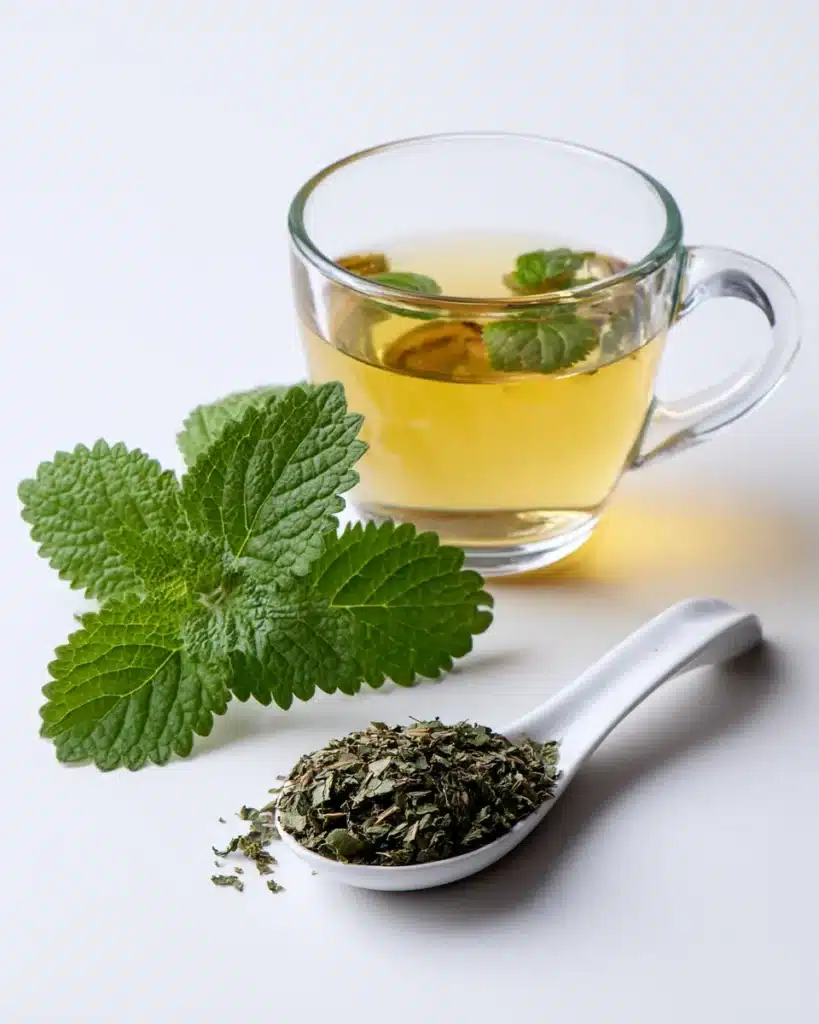
For tea, many guides use 1.5 to 4.5 g of dried leaf per 150 mL of hot water. Then steep it for about 5 to 10 minutes, and sip slowly. Also, start with one cup per day, especially if you feel sensitive to herbs. Next, if you notice lemon balm tea side effects like nausea or sleepiness, then brew it weaker or drink it after food. As a result, you often get the comfort without the fog.
Lemon balm dosage for sleep
If you use lemon balm dosage for sleep, then timing matters as much as the amount. So, try it 30 to 60 minutes before bed, and keep the first dose modest. Also, avoid taking a large single dose, because a 900 mg amount has linked to reduced alertness in some people. Then skip driving or late night tasks until you know your response.
Supplements and extracts: avoiding high doses
Supplement studies often use about 300 to 1600 mg of extract, and many adults tolerate these ranges well. Also, some sources report up to 5000 mg daily for 20 days, yet you still should not treat that as your target. Instead, follow the label, and also ask a clinician if you take daily meds, since lemon balm side effects and interactions can involve thyroid meds, sedatives, and other drugs. Next, stop and reassess if you feel dizzy, overly sleepy, or “off” for more than a day.
Lemon balm withdrawal symptoms and how long it stays in your system
Lemon balm side effects and interactions usually feel short lived, but some people worry about rebound symptoms after heavy, long use. So, it helps to think in terms of your pattern, not just one cup of tea. Also, supplements can run stronger than tea, and that can make stopping feel more noticeable. Meanwhile, if you feel unwell after stopping, then talk with a clinician, especially if you also changed sleep meds or thyroid meds.
Lemon balm withdrawal symptoms
Lemon balm withdrawal symptoms seem uncommon, yet reports mention them after excessive and prolonged use. Then you might feel anxious, restless, or irritable, and sleep can feel lighter for a bit. Also, some people notice reduced appetite, trouble focusing, or a wired but tired feeling.
Next, tapering makes more sense than quitting a very high dose overnight, because it can help your body readjust. However, if you used normal tea amounts, then you likely will not notice withdrawal at all. As a result, the best plan stays simple: use the lowest helpful amount, take breaks, and stop if you feel dependent on it.
How long does lemon balm stay in your system
How long does lemon balm stay in your system depends on your dose, your form, and your metabolism. Also, lemon balm contains several active compounds, so there is no single clear “exit time” that fits everyone.
Still, many people notice the calming and sleepy effects within a few hours, and then they fade by the next day. However, if you take higher dose extracts or you combine it with sedatives or alcohol, then the groggy feeling can last longer. So, if you feel slowed down in the morning, then reduce the dose, move it earlier, or stop.
FAQs
What should not be taken with lemon balm
Lemon balm side effects and interactions show up most when you pair it with sedatives, sleep aids, or alcohol. Also, avoid stacking it with other calming herbs if you already feel sleepy. Next, use caution with thyroid medication, since lemon balm may interfere with thyroid hormone effects for some people. Then if you have glaucoma, skip it, because it may increase eye pressure.
Does lemon balm have any side effects
Yes, lemon balm can cause side effects, although they usually stay mild at typical amounts. Also, you may feel drowsy, dizzy, or a bit foggy, especially with stronger extracts. Then some people notice nausea, abdominal discomfort, or bloating. Meanwhile, topical products can trigger irritation or rash, so stop if your skin reacts.
What medications should not be taken with lemon
Be cautious with sedatives and sleep medications, because lemon balm can boost their calming effects. Also, discuss it with your prescriber if you take thyroid medication, since changes in thyroid symptoms can matter. Next, bring it up if you take antidepressants or HIV medications, because theoretical metabolism effects could change how drugs behave. As a result, a quick pharmacist check can prevent surprises.
Does lemon balm cause dizziness
Yes, lemon balm can cause dizziness for some people, and it often links to drowsiness or reduced alertness. So, start with a small amount and see how you feel. Also, avoid mixing it with alcohol or other sedating products, because dizziness can worsen. Then stop if the feeling persists, or if you also get wheezing, hives, or swelling, since that could signal an allergy.
Conclusion
Lemon balm side effects and interactions usually stay mild, yet they can still matter if you take daily meds or feel sensitive to sedating herbs. So, start low, then watch for drowsiness, stomach upset, headache, or dizziness. Also, avoid pairing it with alcohol, sleep aids, thyroid medication, or certain antidepressants and HIV meds without medical advice. Next, skip it if you have glaucoma or unmanaged thyroid issues. As a result, you can use lemon balm more confidently and safely, and you can save gentle prep ideas on the AllSorts Recipes Pinterest page.