Yogurt cheesecake troubleshooting gets much easier when you check yogurt thickness, cookie strength, and chill time first. Then you can fix the viral Japanese yogurt plus cookie version or a baked Greek yogurt cheesecake with simple moves like straining for 30 to 60 minutes, warming ingredients to room temp, and chilling overnight for clean slices!
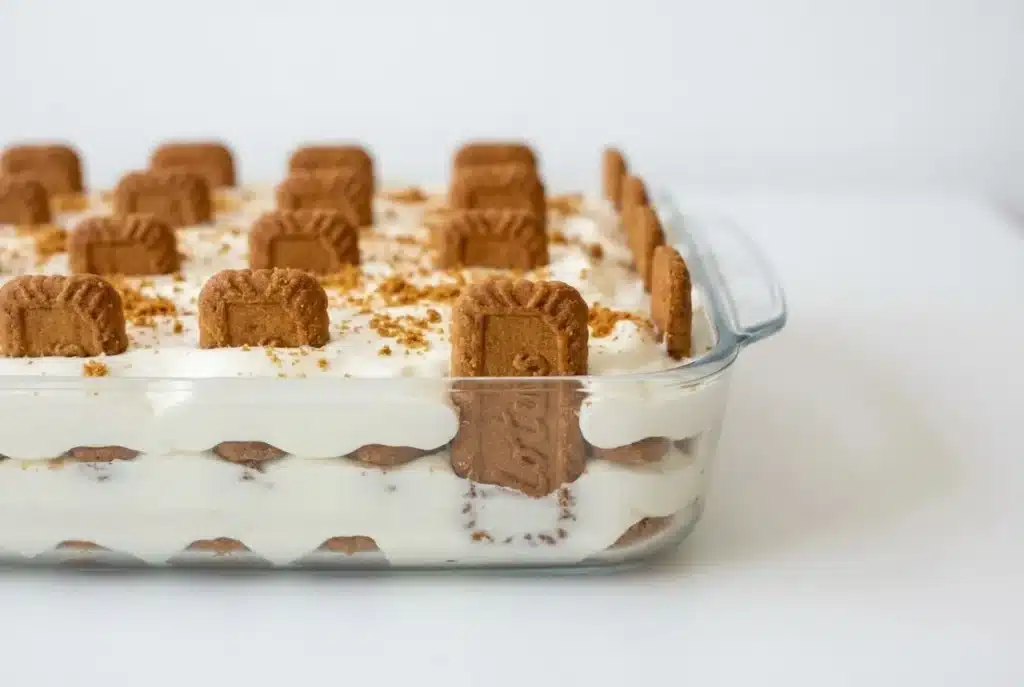
Table of Contents
Quick diagnosis: why your yogurt cheesecake failed
First, use yogurt cheesecake troubleshooting like a triage tool. If your dessert looks loose, slumps when sliced, or tastes oddly watery, then one of three root issues usually caused it. Also, start with this quick reference for the viral method so you can compare your steps to the base recipe: viral Japanese yogurt cheesecake guide. Next, check what type you made, because no bake yogurt cheesecake troubleshooting looks very different from baked yogurt cheesecake troubleshooting.
The 3 most common causes (too thin, too warm, not enough time)
Most fails come from yogurt that acts like pourable yogurt instead of thick Greek, Skyr, or Balkan style. So the structure never forms, and the cookies turn into mush. Also, warm ingredients speed up softening, so the layers slide before they set. Finally, people rush the chill, and that always hurts a 3 ingredient yogurt cheesecake because time does the setting work. In fact, the viral yogurt cheesecake not setting problem almost always points to thin yogurt or a short chill.
No-bake vs baked: which troubleshooting path you need
If you built the Japanese cheesecake recipe with yogurt and cookies, then the fridge creates the “slice” and the cookies do the support. So you troubleshoot thickness, cookie choice, spacing, and chill time. However, if you baked a Greek yogurt style cheesecake, then heat control matters most, and you troubleshoot batter texture, bake time, water bath, and cooling. Next, pick the right path below, because the fixes stay simple when you match the method.
Before you troubleshoot: the 60-second checklist
Before you start any yogurt cheesecake troubleshooting fixes, do this quick checklist once. Then you will stop guessing, and you will know exactly what went wrong. Also, this takes less time than remaking the whole thing.
First, identify your method. If you used yogurt plus cookies, then you need thickness, sturdy cookies, and a long chill. However, if you baked it, then you need room temperature ingredients, gentle mixing, and the right bake and cool flow.
Next, look at the slice. If it puddles, your yogurt likely ran thin or warm, or you cut too early. Meanwhile, if it looks set but breaks, your base likely turned soggy or your cookies collapsed. Finally, if it tastes sharp or flat, you can fix flavor without wrecking texture, and that comes later.

Check your yogurt thickness and fat level
First, scoop your yogurt with a spoon and hold it upside down for two seconds. If it slides fast, then it is too thin for a cheesecake like texture. Also, 0 percent yogurt often tastes more tart, so it can feel “off” even when it sets. Next, use thick Greek yogurt, Skyr, or Balkan style, or follow the thickening steps later. For more detail, see this guide on which yogurt works best for cheesecake texture.
Check your cookie/crust strength
For the viral method, cookie choice matters as much as yogurt choice. So use dry, structured cookies like Biscoff or coconut sable. However, soft cookies dissolve and turn your layers gummy. Next, keep space between cookies so the soak stays even and slices look clean. If you need options, use this list of best cookies to support a yogurt cheesecake base.
Check your timing: chill time or bake time
Time does most of the work here, so do not rush it. For no bake, chill at least 6 hours, and overnight works best for a sliceable set. Also, if it will not unmold cleanly, then it almost always needed more fridge time or thicker yogurt. For baked versions, bake until the edges set and the center still jiggles slightly, then cool slowly before chilling. Next, plan for at least 8 hours in the fridge before cutting, because early slicing creates a loose, messy center.
Fixing no-bake yogurt cheesecake (viral yogurt + cookies)
No bake yogurt cheesecake troubleshooting starts with one truth: the fridge sets it, and the cookies hold it. So if one side fails, the whole slice feels wrong. Also, this method behaves like a jiggly cheesecake recipe only after a long chill, because the cookies need time to absorb moisture evenly.
Next, keep your layers simple. Use thick yogurt, place dry cookies upright, and leave small gaps so soaking stays even. Then chill long enough, because “almost set” still means messy slices. If you want alternate formats that set more reliably, try these viral yogurt cheesecake variations in jars and cups.

Problem: it didn’t set (still soft or runny)
First, check your yogurt. If it pours, then it will stay loose, even after 6 hours. So switch to thick Greek, Skyr, or Balkan yogurt next time, or strain what you have now. Also, avoid watery or low fat yogurt unless you thicken it, because it cannot hold shape.
Next, extend the chill. Chill at least 6 hours, and preferably overnight, because the cookies need time to firm the layers. Meanwhile, keep the cheesecake cold while you slice, since warm kitchen air softens it fast.
Then, if you need a rescue today, spoon the mixture into jars, add fresh cookies on top, and chill again. As a result, you still get the Japanese cheesecake recipe with yogurt vibe, but it turns into a creamy dessert cup instead of a clean slice.
Problem: it turned soggy or mushy
This usually happens when cookies are too soft, too crowded, or fully buried without breathing room. So pick dry, structured cookies like Biscoff or coconut sable, because they soften slowly and stay supportive. Also, do not stack too many cookies in one layer, since that traps moisture and creates mush.
Next, space the cookies. Leave small gaps between them so yogurt flows around each piece evenly. Meanwhile, press them gently into the yogurt instead of smashing them, because crushed cookies dissolve faster.
Then chill longer. A longer set helps the cookies absorb moisture evenly rather than collapsing in wet pockets. As a result, you get cleaner slices and less gummy texture.
Problem: cookies softened unevenly or made gaps
Uneven softening often comes from uneven contact. So arrange cookies upright and keep the thickness of yogurt layers consistent. Also, avoid overcrowding, because cookies that touch too tightly create dry spots and wet spots at the same time.
Next, tap the container lightly on the counter to settle yogurt around the cookies. Then smooth the top so the layer thickness stays even from edge to center. Meanwhile, rotate the dish once halfway through chilling if your fridge has hot spots, because some shelves chill unevenly.
As a result, your slices look neater, and the texture feels consistent from first bite to last.
Problem: it won’t unmold cleanly
First, do not fight it early. If you try to unmold at 3 or 4 hours, it will smear, even if it tastes thick. So chill at least 6 hours, and overnight works best for that firm, sliceable set.
Next, line the container if you want perfect edges. Use parchment with extra overhang, or use a loaf pan liner, then lift it out slowly. Also, wipe the sides with a warm cloth for a few seconds, because gentle warmth loosens the outer ring without melting the middle.
Then slice cold. Dip your knife in hot water, wipe it dry, and cut straight down. Meanwhile, clean the blade between cuts, because sticky yogurt drags crumbs through the slice.
If you still see slumping, then your yogurt likely ran thin, so go straight to the thickening steps next.
How to thicken yogurt that won’t thicken (step-by-step)
If your yogurt cheesecake troubleshooting keeps circling back to “still runny,” then your yogurt needs help before it ever hits the pan. So treat thickness like your main ingredient, not a bonus. Also, this matters for the 3 ingredient yogurt cheesecake style and the viral cookie version, because thin yogurt cannot hold clean slices.
Next, pick one method below, then test it before you build layers. As a result, you fix the root cause instead of chasing soggy cookies and sliding slices later.
Strain yogurt for 30–60 minutes (fast fix)
First, set a fine mesh strainer over a bowl, then line it with a coffee filter or two layers of paper towel. Next, spoon in the yogurt and spread it into an even layer, because that drains faster. Also, cover it and refrigerate while it strains, since cold yogurt stays thicker.
Then wait 30 to 60 minutes. Meanwhile, check the bowl for liquid, because even thick yogurt can drop a surprising amount of whey. Next, stir the yogurt once after 20 minutes to expose wetter pockets, but keep it gentle so you do not whip in air.
After that, scrape the thickened yogurt into a clean bowl and taste it. If it turns extra tangy, then balance it later with honey, jam, or a topping, because thickening can concentrate sour notes.
The “spoon test” to confirm it’s thick enough
Now test before you commit. Scoop up a spoonful and hold the spoon sideways for two seconds. If the yogurt creeps slowly, you are in good shape. However, if it slides off quickly or pools like custard, then strain longer or add a stabilizer.
Next, do one more test in the actual container you will use. Spoon a small smear onto a plate, then tilt the plate. If it stays put, it will stack well with cookies. As a result, your no bake yogurt cheesecake troubleshooting gets way easier.
Optional: add a little cream cheese for stability and flavor
If you want extra insurance, add a small amount of cream cheese. First, soften the cream cheese so it feels spreadable, then whisk it until smooth. Next, add thick yogurt a spoonful at a time, because that prevents little cream cheese lumps.
Also, start small. Use about 2 to 4 tablespoons cream cheese per 2 cups thick yogurt, then adjust based on how loose your yogurt started. Meanwhile, taste as you go, because cream cheese softens sharp tang and adds richness without needing much.
Then mix only until smooth. Overmixing adds air, and that can lead to a looser set later. As a result, you get better sliceability, cleaner edges, and a texture that feels closer to a Japanese cheesecake recipe with yogurt.
Fixing baked yogurt cheesecake (Greek yogurt style)
If you baked a Greek yogurt cheesecake, then yogurt cheesecake troubleshooting shifts from cookies and chill time to heat and mixing. Also, baked versions punish shortcuts, so small details matter a lot. Next, focus on batter texture, steady moisture in the oven, and a slow cool down, because those three steps protect the set.
In fact, you can use yogurt in a cheesecake, and it works beautifully. However, you need thick yogurt and the right method, since yogurt brings extra water compared to some classic fillings.
Problem: lumpy batter
First, bring everything to room temperature, including Greek yogurt, cream cheese, and eggs. Then the batter blends smoothly instead of clumping. Also, soften cream cheese fully, because cold cream cheese creates stubborn lumps fast.
Next, beat the cream cheese and any sweetener until smooth, then add yogurt in spoonfuls. Meanwhile, scrape the bowl often, since hidden lumps stick to the bottom. Finally, add eggs last and mix only until combined, because extra mixing turns batter airy and uneven.
If you already see lumps, then strain the batter through a fine mesh sieve before baking. As a result, you save the texture without changing the recipe.
Problem: cracks on top
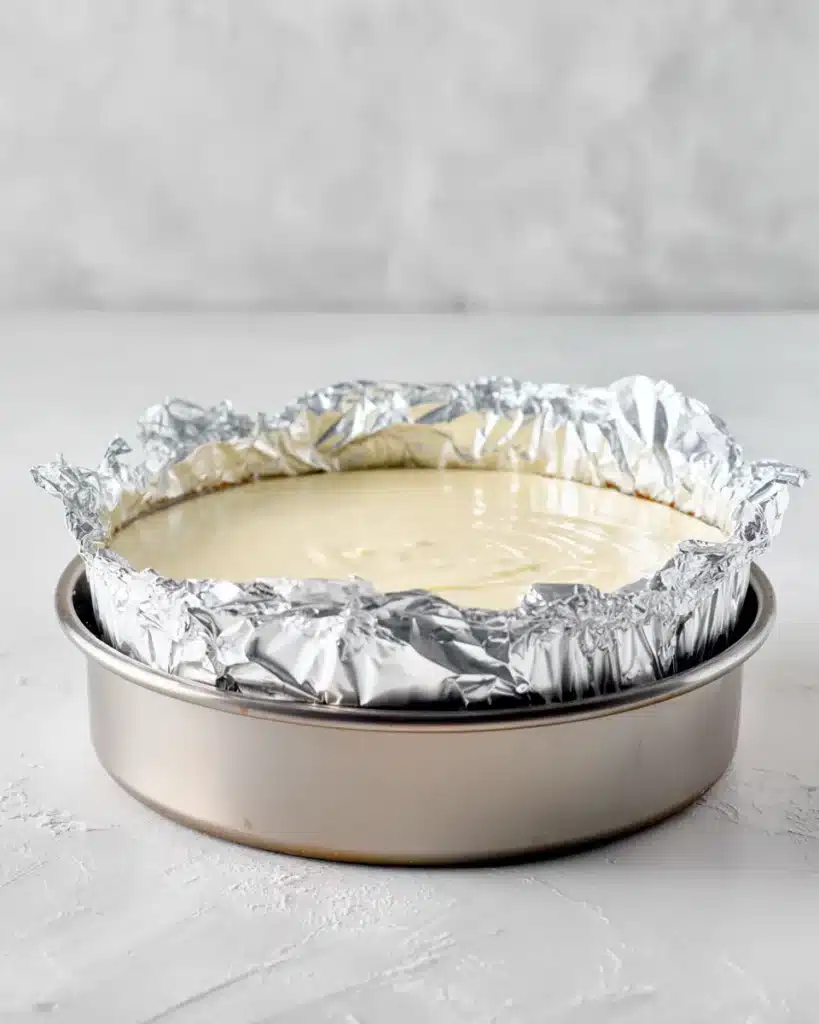
Cracks usually come from heat stress or dryness, so manage both. First, use a water bath, because steam keeps the surface flexible while the center cooks. Also, keep your oven temperature steady, since hot swings crack the top quickly.
Next, stop mixing once eggs go in. Overmixing traps air, and that air expands, rises, then splits the top as it bakes. Meanwhile, avoid opening the oven door, because sudden cool air shocks the surface.
If cracks already happened, then hide them with toppings. Then use berry compote, yogurt whipped cream, or fruit, because flavor balance matters too when yogurt tastes tangy.
Problem: sinking or collapsing
Sinking often points to under set edges or a too fast cool down. So bake until the edges look set and slightly puffed, while the center still jiggles like soft gelatin. Also, do not chase a fully firm center in the oven, because it will tighten as it cools.
Next, cool slowly. Turn off the oven, crack the door, and let it sit inside for 30 to 60 minutes. Then move it to the counter until it reaches room temperature. As a result, the cheesecake keeps its height instead of dropping hard.
Also, keep mixing gentle. Too much air lifts the cake, and then it falls as it cools.
Problem: too soft after chilling (underbaked or rushed chill)
First, give it time. Chill at least 8 hours before slicing, because the fridge finishes the set. Also, cover it so it does not dry out on top.
Next, check your bake. If the center still looks wet after chilling, then you likely underbaked it, or you used yogurt that ran thin. Meanwhile, remember that 0 percent yogurt tastes more tart and can feel less rich, so 2 percent or full fat often feels more “cheesecake like.”
If the texture stays soft but pleasant, then serve it colder and slice smarter. Dip your knife in hot water, wipe it dry, and cut cleanly. Then add a thick topping, because that improves structure on the plate and balances tang at the same time.
Common cheesecake mistakes (and how to avoid them next time)
Yogurt cheesecake troubleshooting gets easier when you spot the repeat mistakes early. So think of this as your reset button for next time. Also, these fixes work for baked yogurt cheesecake and for no bake yogurt cheesecake troubleshooting, because the same rules control texture.
Next, keep your goal simple. You want thick dairy, steady structure, and enough time. As a result, you get clean slices instead of a creamy slump.
Using cold ingredients or overmixing
Cold ingredients cause lumps fast, especially in baked yogurt cheesecake. So set out Greek yogurt, cream cheese, and eggs 30 to 60 minutes before you start. Also, mix in stages, because smooth cream cheese first makes everything easier later.
Next, stop mixing as soon as eggs blend in. Overmixing adds too much air, and that air expands, then collapses, then you get cracking or sinking. Meanwhile, for the viral cookie version, overmixing can thin the yogurt and make the layers slide.
Skipping the water bath or cooling too fast
A water bath helps baked cheesecake cook evenly, so it reduces cracks and dry edges. Also, it keeps the surface flexible while the center sets.
Next, cool slowly. Turn off the oven, crack the door, and let the cheesecake rest inside. Then cool to room temp before you refrigerate. As a result, you avoid sudden shrinking that leads to sinking or a broken top.
Cutting too early and rushing the chill
This one causes the most “it won’t set” panic. So plan the chill like a real step, not an optional wait. Also, aim for at least 8 hours for baked cheesecake, and at least 6 hours for the viral yogurt plus cookies version, with overnight as the best move.
Then slice cold with a hot, clean knife. As a result, your cheesecake holds shape and looks neat on the plate.
Can you save it? what to do with a cheesecake that won’t set
Yogurt cheesecake troubleshooting does not always mean you have to toss dessert. So take a breath, because most “fails” still taste great. Also, you can usually turn a loose cheesecake into something that feels intentional, especially with smart chilling and serving.
Next, decide if yours is no bake or baked. Then use the rescue path that matches, because the fix depends on how the structure forms. As a result, you stop fighting physics and start working with it.
If it’s no-bake: how to re-chill, re-layer, or turn it into jars
First, re chill it longer. Put it in the coldest part of your fridge and give it another 6 to 12 hours, because time lets cookies absorb moisture and yogurt firm up. Also, keep it covered so the top stays creamy.
Next, if it still looks loose, re layer it. Spoon the mixture into a smaller container so the dessert sits taller, then add fresh dry cookies with a little space between them. Meanwhile, press cookies in gently and keep them upright, because that helps the “base” form after chilling.
Then, if you want the easiest save, turn it into jars. Layer yogurt and cookie pieces in glasses, then top with jam, honey, or compote. As a result, it becomes a cute dessert that still hits that japanese cheesecake recipe with yogurt vibe without needing perfect slices.
If it’s baked: how to chill longer, serve cleaner slices, or repurpose
First, chill longer. Give baked cheesecake a full overnight rest, because the fridge finishes the set. Also, keep it covered so it does not dry out or pick up fridge smells.
Next, slice smarter. Dip a knife in hot water, wipe it dry, then cut straight down. Meanwhile, clean the blade between cuts, because that keeps edges sharp even if the center feels soft.
If it still feels too soft, then repurpose it. Spoon it into bowls like a cheesecake pudding, or layer it with fruit and crushed cookies for a trifle style dessert. As a result, you get a win that tastes rich and looks deliberate.
Flavor troubleshooting (too sour, not sweet enough, bland)
Yogurt cheesecake troubleshooting is not only about texture. Also, flavor problems often make the dessert feel “wrong” even when it sets. Next, fix taste in small steps, because big changes can thin the filling or make the cookies soggy.
Meanwhile, remember that yogurt brands vary a lot. So one tub can taste mellow, and the next can taste sharp, even at the same fat level.
Fixing sourness from tangy yogurt
First, balance tang with sweetness, not more acid. So skip extra lemon if the yogurt already tastes sharp. Also, choose a richer base next time, because 2 percent or full fat Greek yogurt usually tastes rounder than 0 percent.
Next, soften the bite with a little cream cheese or a spoon of mascarpone, because fat smooths sour notes. Meanwhile, add vanilla, cocoa, or matcha powder in small amounts, since flavor powders shift the focus without adding liquid.
Then top smart. Use berry compote, jam, or honey on the finished slice, because toppings fix sourness without changing structure. As a result, even lemon yogurt cheesecake troubleshooting becomes easier, since you can keep the filling thick and use the top for balance.
Fixing sweetness and flavor balance without ruining texture
First, avoid stirring in lots of liquid sweetener after the fact, because that can loosen the set. So add sweetness on top when possible, like honey, jam, or fruit sauce. Also, flavored yogurt can help, but it changes sugar levels, so reduce any added sugar if you bake.
Next, use thicker add ins. Swirl in a thick jam, a spoon of cookie butter, or a thick compote, because those boost sweetness without turning the filling runny. Meanwhile, a pinch of salt wakes up bland yogurt fast, so try that before you add more sugar.
If you want a quick “fixed” serving, then plate it with fruit and extra cookie crumbs. As a result, it tastes complete even if the base started a little plain, which is a common vanilla yogurt cheesecake troubleshooting moment.
FAQ
Why is my yogurt not thickening?
Yogurt usually stays loose because it starts too thin, too low fat, or too warm. So pick thick Greek yogurt, Skyr, or Balkan yogurt for the best set. Also, strain it for 30 to 60 minutes if it still pours, because whey makes it slide. Next, run the spoon test before you build layers, since that saves you a full remake. As a result, yogurt cheesecake troubleshooting becomes simple and predictable.
What can I do if my cheesecake won’t set?
First, match the fix to the method. If you made the viral cookie version and the viral yogurt cheesecake not setting problem shows up, then chill longer and use thicker yogurt next time. Also, re layer with fresh dry cookies if the originals turned mushy. If you baked it, then chill overnight and slice cold with a hot knife. Next, if it still feels soft, serve it as jars or bowls, because that still tastes amazing.
What are common cheesecake mistakes?
People rush time, use thin yogurt, and pick weak cookies. So no bake yogurt cheesecake troubleshooting often comes down to dry, structured cookies and a long chill. Also, baked yogurt cheesecake troubleshooting often comes from cold ingredients, overmixing after eggs, and skipping a water bath. Next, cool baked cheesecake slowly in the oven with the door cracked. As a result, you avoid lumps, cracks, and sinking.
Can you try yogurt again if it didn’t set?
Yes, and you can fix it without wasting the batch. First, strain the yogurt mixture if it looks loose, then rebuild with sturdier cookies and more spacing. Also, chill overnight, because time does the real work here. Next, if you want the answer style you see in japanese yogurt cheesecake reddit threads, keep it simple: use thick yogurt, do not rush the chill, and do not fight the slice until it feels firm.
Final Thoughts
Yogurt cheesecake troubleshooting feels stressful in the moment, but it usually comes down to thickness, temperature, and time. So start with thick yogurt, then choose dry, sturdy cookies, and finally chill long enough for a clean slice. Also, if you bake, keep ingredients at room temp, mix gently, and cool slowly so cracks and sinking stay away. Next time, you will spot the issue in seconds, and you will fix it before you even cut the first slice. For more help with the viral method, revisit this Japanese yogurt cheesecake troubleshooting guide and save your favorite ideas on Pinterest.